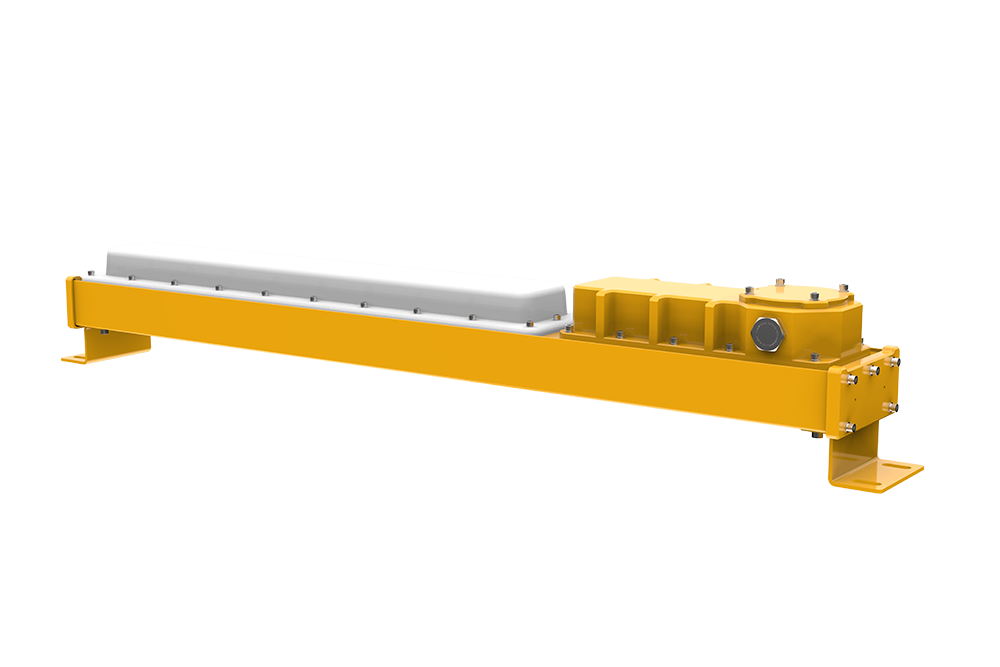
How do explosion proof led lights reduce risk in solvent storage areas?
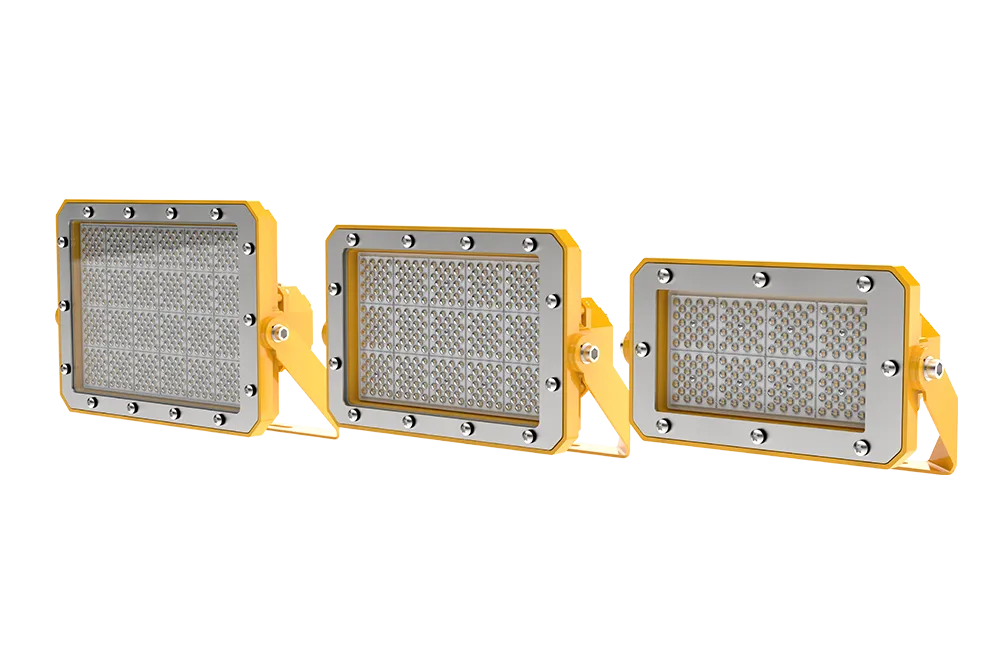
Embarking aforementioned paper analyzes a technologies involving fire-resistant devices across commercial fields.
Running securely amid treacherous areas especially manufacturing factories commands engineered tools intended to eliminate expected events. Blast-resistant illumination systems are indispensable elements in comparable settings, developed to withstand flammable particles, volatile effluents, and combustible regions. The aforementioned machines are not intrinsically sound; rather they are engineered to contain any interior energy release or flash and restrict it from triggering a amplified ignition in the nearby region. This guide presents significant information about explosion-proof devices, their applications, and risk management points for implementing them appropriately.
Decoding Explosion Proof Lighting Standards
Adhering to these ignition-proof lighting regulations can be tough, especially within domains involving hazardous sites. These rules – often referring to worldwide bodies namely the National Electrical Regulation (NEC), ATEX (Europe), and IEC – specify strict design and deployment steps to limit the vulnerability of ignition from lighting devices. Understanding aforementioned standards is paramount for ensuring operator safety and meeting with enforceable directives.
LED Intrinsically Safe Luminaires: Productivity & Reliability
Photonic detonation-proof power units manifest a remarkable growth over former fluorescent devices in atmospheres where explosive substances are available. These sturdy tools also provide outstanding electricity conservation, causing decreased expenses, but importantly ensure a boosted rank of risk mitigation by reducing the potential of sparks due to voltage flare-ups}.
Explosion Proofed Risky Site Critical Proof Flame Burn Ignition Resistant} Systems : A In-depth Review
Explosion Rated Hazardous Setting Unsafe Proof} Luminaires are customarily fabricated lighting devices built to act safely within probabilistically flammable atmospheres. These hardy fixtures avoid sparks, thermal flux and current sparks from provoking a critical explosion. They normally incorporate cutting-edge designs, utilizing exemplifying airtight housings and inherently safe voltage units to confirm safety protocols in industries like energy & petrochemical processing, synthesis plants, extraction operations, and healthcare production.
Opting for the Fitting Blast-Proof Systems for Risky Regions
Selecting the most appropriate hazard-resistant systems for a particular controlled region demands precise consideration. Parameters such as the label (e.g., Category I, II, or III and partitions 0) need to be meticulously assessed to secure conformity with applicable danger prevention protocols. Besides the zone's built-in hazards, evaluate ecological factors, comprising degrees and humidity, to identify a strong and non-hazardous solution. Regularly engage a expert authority to assist your judgment.
Environments Where Mandate Explosion Proof Lights?
Explosion-proof or: intrinsically safe|hazardous location|Class-rated} luminaries are unequivocally needed in numerous areas where hazardous substances or dust could likely create a explosive atmosphere. This often includes processing treatment plants, sealant application areas, cereal handling facilities, and water treatment treatment works. Regulations, such as those from UL and ATEX, dictate their placement in these zones to mitigate the risk of fire and maintain safety performance.
Perks of Solid-State Lighting in Blast Resistant Fixtures
Adopting Solid-State Lighting technology for hazardous location fixtures offers a considerable quantity of benefits. First, LEDs boast a far longer activity span compared to traditional neon units, reducing support outlays and breaks. They are also naturally safer, producing minimal heat which abates the threat of burning in explosive atmospheres. Moreover, LEDs are markedly energy saving, leading to minimized energy bills and a lowered ecologic trace. Finally, the robust architecture of Electroluminescent devices withstanding the challenging settings typical of explosion proof areas.
- Augmented Service Life
- Lower Overhaul Fees
- Improved Defense
- Decreased Watt Expenditure
- Augmented Resilience
Managing and Assessing Explosion Proof Lighting Systems
Ongoing care and thorough scrutiny of hazardous location lighting arrangements are essentially indispensable for securing safety and minimizing potential hazards. This entails a periodic review of all units, such as luminaires, channels, current conduits, and related distribution boxes. Especially, assess for degradation, physical defects, and adequate earth connection. Furthermore, verify that complete markings are decipherable and that the lighting fixtures observes required directives.
- Implement visual checks.
- Examine current links.
- Certify ignition safety.
Emerging of Explosion Proof Lighting Technology
The evolving landscape of explosion-proof illumination technology foretells a distinct shift from traditional designs. Future mechanisms will commonly incorporate connected capabilities, enabling offsite monitoring, explosion proof lights diagnostics, and adaptive control. We imagine a strengthening adoption of semiconductor technology, not only for its inherent energy efficiency, but also its capacity to facilitate built-in sensors for monitoring risky conditions. Besides, materials examination is accelerating innovations in tough covering materials, allowing for trimmed and upgraded designs, while maintaining the required levels of safety.
- Improved battery life for portable applications.
- Integration with proactive maintenance platforms.
- Development of self-cleaning lens technology.