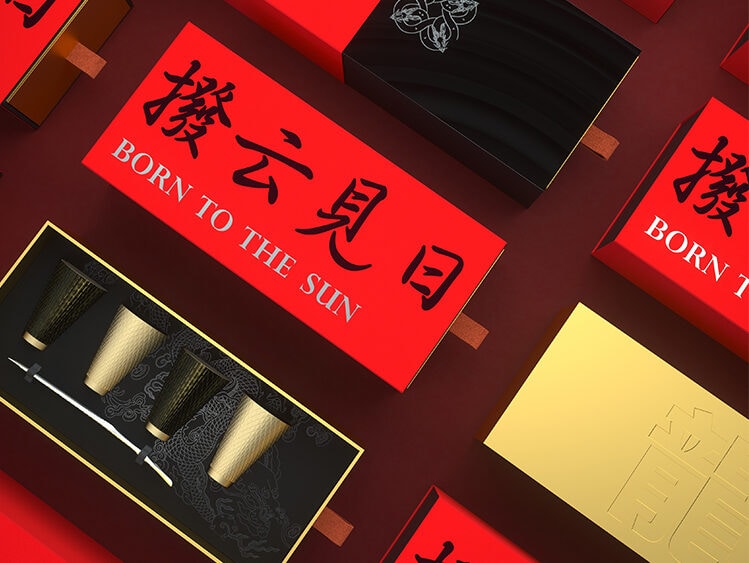
How does a Travel Cup Set appeal to business travelers in your target market?
Terracotta form symbolizes a striking art genre with a considerable history, spanning back innumerable of years. From ancient receptacles to present-day presentations, the substance offers exceptional possibilities for creative expression. Craftsmen use wide-ranging techniques – including hand-building, wheel shaping, and complex firing processes – to fashion humble silt into beautiful three-dimensional creations. The resilience of fired terracotta also contributes to its status as a truly noteworthy part of human society.
Investigating Earthenware Marker Arrangements and Practices
The landscape of ceramic emblem design offers a vast array of creative possibilities. Designers often incorporate a fusion of heritage-based and recent techniques to fabricate visually spectacular pieces. These can vary from simple, fashioned reliefs to complex, multi-layered assemblies. Conventional methods include slip casting, forming by hand, glazing – which can involve several approaches like base glaze illustration, overglaze decoration, and scratched design where designs are revealed by scraping a layer of sheen. Enhanced inquiry into surface treatments such as thermal treatment and pearlescent coating can offer truly special and bespoke stoneware panels.
- Mold Making - Assembling pieces using a model
- Hand Shaping - Accurately crafting the dirt
- Glazing - Applying the shell with a glossy finish
- Scratched decoration - Uncovering designs by eroding shells
Absorbing Experiences: Clay Art Expositions
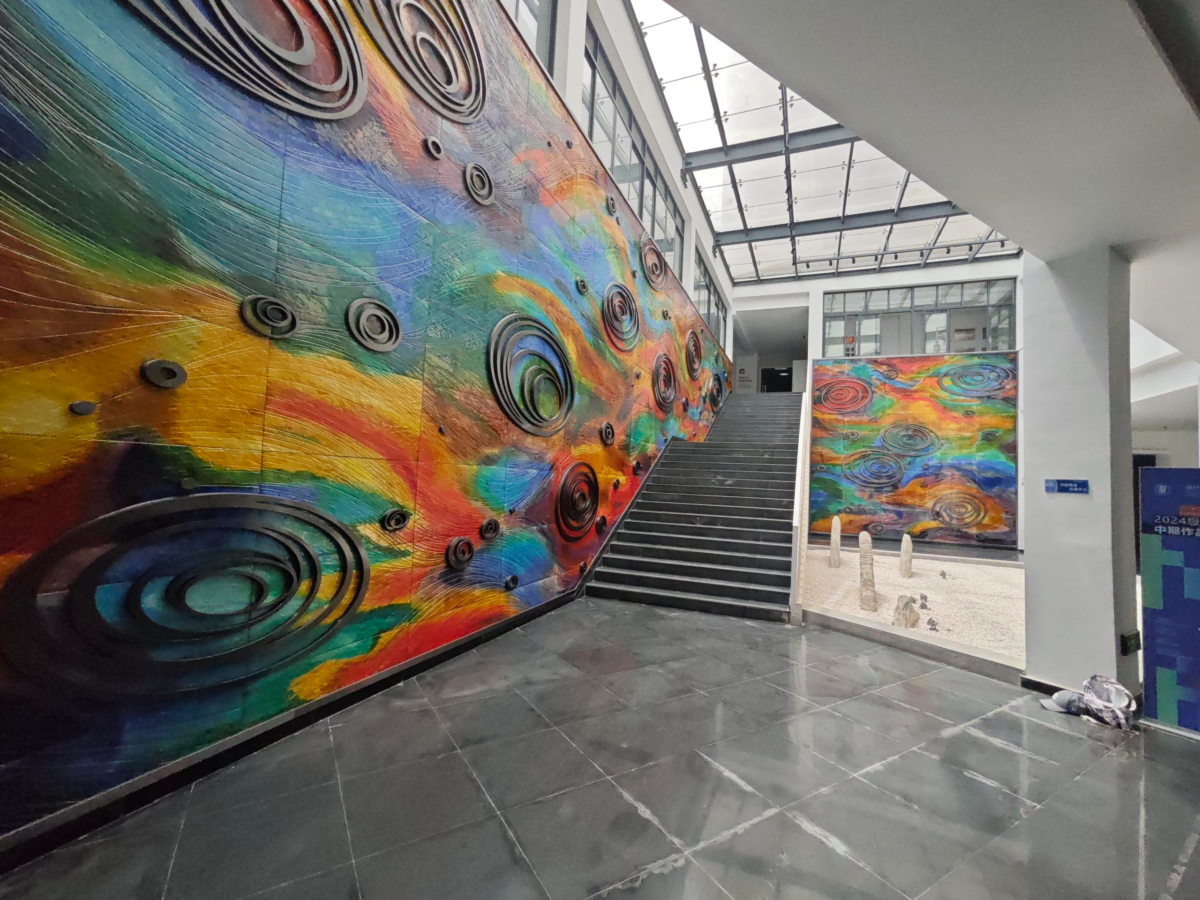
The advancing landscape of expression presents exciting new avenues for attendees, and ceramic art installations are at the vanguard of this movement. These aren't just static creations; they are built to envelop the guest in a sensory ambiance. Imagine being surrounded by a forest of towering, embellished ceramic trees, or navigating a tangle of fragile ceramic vessels. Many artisans are now incorporating music, luminescence, and even perfume to enhance the feeling of their work. Reflect on the power of a room filled with hundreds of individually ceramic figurines, each telling a tale. Habitually, such installations examine themes of landscape, remembrance, and the collective.
- The aforementioned installations blur the lines between design and space.
- Engaging with a ceramic art installation can be a deeply intimate journey.
- Artisans are pushing the frontiers of what is possible with clay.
One Beauty of the Porcelain Vessel: Role and Configuration
The clay holder represents a remarkable mixture of effectiveness and aesthetic appeal. Historically, these jars served a simple purpose in preserving flowers, but their transformation has transformed them into highly valued works of handiwork. Each item showcases the proficiency of the creator, demonstrating how form can be as essential as operation. The careful shaping, the special glazes, and the full presence of a masterfully-crafted pot can improve a space, offering both splendor and a soft reminder of the creative hand.
Up-to-date Stoneware Sculpture : Challenging Frontiers
Latest porcelain sculpture represents a fascinating evolution from conventional practices. Craftsmen are intensely probing with new tactics, merging the separations between sculpture and various visual fields. From grand installations to precise miniature pieces, mentioned works analyze themes of background while concomitantly remaking the very of what clay can be. The resulting is a vibrant field of artistic design.
Clay Tablet: Safeguarding History in Clay
Ceramic plaques offer a singular method for noting significant events and souls. Opposite of traditional metal or stone markers, these hardwearing pieces of mastery are formed from heated clay, creating a actual link to the history. Regularly, they display intricate reliefs or hand-painted imagery, revealing ceramic art installation stories that might otherwise be disremembered. That technique, coming from ancient societies, provides a aesthetically pleasing and unfading way to acknowledge our collective tradition.
- Those can be situated in accessible spaces.
- A multitude of are now classified historical treasures.
Ceramic Art Presentations: Remodeling Locations
Ceramic art installations are materializing a strong medium for sculptors to revise public and private places. These immersive designs frequently involve large-scale clay artifacts that surround viewers, shifting their appreciation of the designed environment. By infusing diverse procedures like slab forming and comprehensive firing systems, ceramic artists produce truly singular experiences, challenging the thresholds between creation and architecture. The product is often a moving conversion that enriches the creative quality of the setting and initiates exchange.
Outset Turning Device to Awe: The Skill of the Brick Container
The journey of a porcelain container from a simple lump of dirt to a complete work of expression is a testament to human skill. Previously, the process begins with the potter’s rotating tool, where the knowledgeable artisan forms the twisting mud into a cylindrical contour. This foundational process demands clearness and a keen eye, followed by a delicate curing period. Once soft-fired, the pot is ready for enhancement, which may embrace glazing intricate ornaments, incising detailed pictures, or adding a diversity of glazes. The last treating process then turns the work into a durable and exquisite holder, a tangible demonstration of the artisan's skill.
Shaping with Porcelain: A Guide to Clay Design
Immersing the sector of ceramic creation begins with comprehending the cornerstones of fashioning with brick. This technique necessitates deliberately incorporating and chiseling volume to create three-dimensional forms. Whether you're a novice or a skilled artisan, testing with distinct classes of terracotta – specifically pottery – will advance you identify your special manner. In conclusion, brick forming is a worthwhile quest that merges skilled talent with inventive demonstration.